
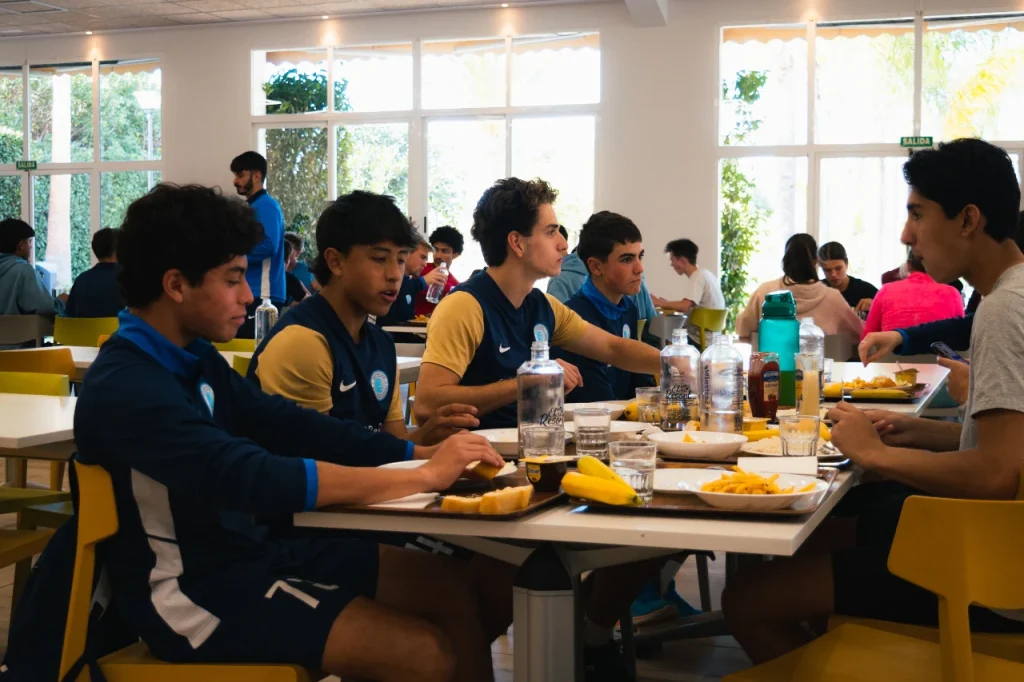
Knowing what to eat before a soccer game can make a real difference in how prepared you feel when you step onto the pitch. Soccer demands constant movement, quick reactions, and sustained effort, so giving your body the right fuel is an essential part of your match-day prep.
To help fuel your performance, aim for a carb-focused meal with moderate protein, eaten 2 to 4 hours before kickoff to give your stomach time to settle.
However, great nutrition goes beyond game day. Building consistent habits throughout the week is just as important as picking the right pre-match meal.
At IDA Valencia, we believe that proper nutrition is just as important as training when it comes to preparing for a match. That’s why we help our players build healthy eating habits and understand how the right nutrition can support their energy, recovery, and performance on the field.
Why pre-match nutrition matters for soccer players
Have you ever felt like you’re running out of energy halfway through a match or struggling to keep up during an intense training session? While several factors can affect your performance, what you eat before stepping onto the field could be part of the reason. That’s why proper nutrition matters more than you might think!
Soccer is a high-intensity sport that combines endurance, acceleration, sprinting, and quick changes of direction. To keep up with these demands, your body relies heavily on carbohydrates stored in your muscles and liver as glycogen, one of its main energy sources during exercise.
Eating the right foods before a match helps maintain your energy levels, supports concentration, and reduces the chances of feeling hungry or uncomfortable while playing. According to Sports Dietitians Australia, carbohydrate-rich meals before exercise can help optimize energy availability and support performance.
But here’s something important to remember: there’s no single pre-game meal that works for every soccer player. Your age, training intensity, digestion, and match schedule all influence what and when you should eat. This becomes especially important for young athletes balancing school, daily training, and competitive matches.
That’s why, at IDA Valencia, we take an individualized approach to player development. Our high-performance environment combines professional soccer training, physical preparation, recovery, and personalized nutritional guidance. With the support of our in-house nutritionist, we help players develop eating habits that fit their individual needs and performance goals, making nutrition an essential part of their development both on and off the field.
When should you eat before a soccer game?
Even the healthiest meal can leave you feeling uncomfortable if you eat it too close to kickoff. Generally, you’ll want to eat your main meal roughly 2 to 4 hours before the game. A smaller snack closer to the game can provide additional energy if needed.
This is also an approach highlighted in professional soccer, with clubs like LA Galaxy emphasizing the importance of planning meals around kickoff and choosing lighter, carbohydrate-rich snacks closer to game time.
Here’s a quick guide to help you plan your game-day meals:
| Timing | What to Fuel With | Meal Ideas |
| 3–4 hours | High-carb main meal with lean protein | Chicken with rice, or pasta with tomato sauce |
| 2 hours | Lighter, easily digested meal | Toast with banana slices, or a bowl of cereal with milk |
| 30–60 minutes | Small, fast-acting carb snack (if needed) | Toast with jam, applesauce, or a banana |
| Before and during warm-up | Fluids tailored to your hydration needs | Water or an electrolyte drink |
These are general guidelines rather than strict rules. Some players digest food quickly, while others need more time between eating and exercising.
The most reliable approach is to test your pre-match eating routine during regular training sessions, rather than experimenting before an important game.
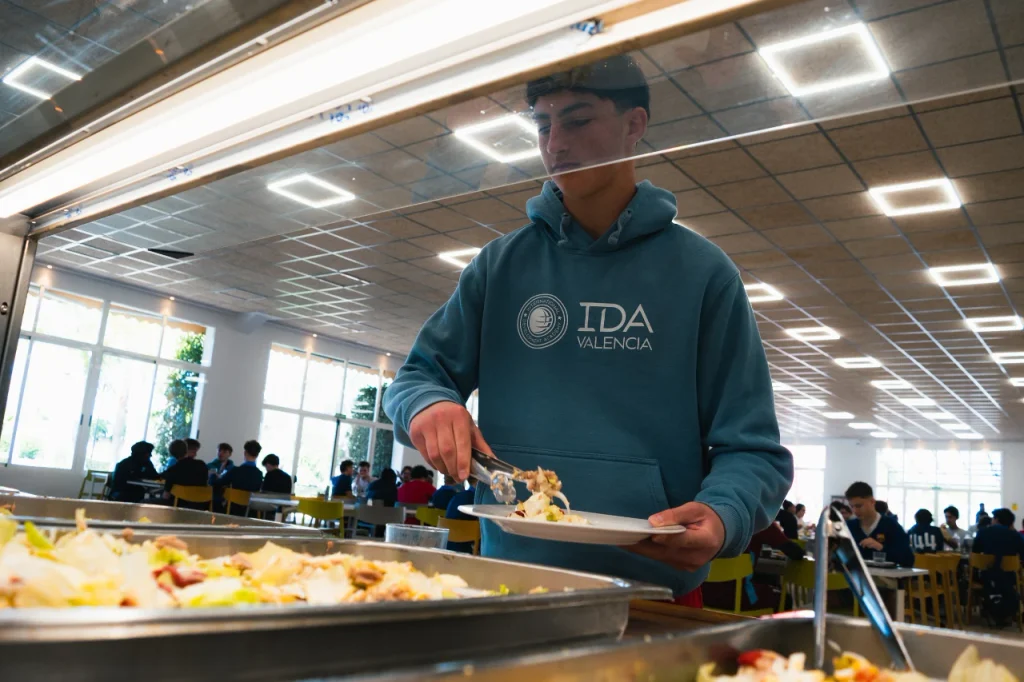
Should you eat differently for morning and evening matches?
Absolutely! Your match schedule influences how you distribute meals throughout the day.
For an early morning game, breakfast might include toast with some honey, a banana, or a small bowl of cereal. If kickoff is very early, having a balanced dinner the night before and a smaller, easily digested breakfast may be more practical.
For afternoon or evening matches, players usually have more flexibility to eat regular meals before their main pre-game meal. The important thing is to begin the game feeling comfortably fueled, not too full or too hungry.
Best pre-game meals for soccer players
Wondering what to eat before a soccer game? The good news is that choosing the right foods doesn’t have to be complicated or expensive. In fact, many of the best pre-game options are simple, everyday meals you can easily prepare at home.
Generally, you’ll want a combination of carbs for energy, a bit of protein, and foods you know your stomach handles well.
Easy pre-game meal ideas:
Not sure what to prepare before your next match?
- Rice with grilled chicken: gives you the carbs and lean protein you need without feeling heavy.
- Oats & banana: great morning fuel for steady energy. Eat early enough so your stomach has time to process the fiber.
- Toast with honey/jam: a quick, effortless carb boost when you’re close to game time and need something light.
Keep in mind these are just ideas. Choose what fits your schedule, meets your energy demands, and feels easiest on your stomach.
Beyond these meal ideas, there are three important nutritional elements every soccer player should understand.
Carbohydrates: your main source of energy
Carbs are particularly important because soccer involves repeated high-intensity efforts throughout the match.
Great carbohydrate-rich options include rice, pasta, bread, potatoes, oats, and fruit. These foods help replenish your energy stores before exercise. Remember that portion sizes should reflect your age, appetite, training demands, and individual nutritional needs.
Just adjust your portion size to fit your age, appetite, and energy needs.
Protein: supporting muscle growth and recovery
Protein plays a huge role in muscle growth and recovery, so it’s vital for your development as an athlete. Including options like chicken, eggs, fish, or yogurt in your pre-game meal gives you a solid balance.
Just remember: you don’t need huge amounts of protein right before kickoff. Stick to lighter portions so your body can focus on absorbing energy comfortably.
Hydration: don’t wait until you’re thirsty
Showing up well-hydrated matters just as much as what you put on your plate.
Focus on drinking water consistently throughout the day rather than chugging a bottle right before taking the field. Plain water works great for most pre-match prep, but you might want a sports drink for extra energy and electrolytes if you’re playing a long match or competing in the heat.
Developing healthy performance habits is a core part of what we teach at IDA Valencia. Guided by our expert nutritionist, our players learn how to master hydration and pre-match fueling so they can perform at their highest level throughout the season.
What not to eat before a soccer game
When deciding what to eat before a soccer game, it’s equally important to know which foods to avoid. Certain foods can increase your risk of bloating, nausea, or an upset stomach, especially when eaten right before taking the field.
High-fat meals, heavy fried foods, and large portions of high-fiber options take longer to digest. Spicy dishes and foods you aren’t used to can also trigger issues.
Does this mean you can never enjoy these foods? Not at all, it’s just about timing.
The goal is to avoid unnecessary digestive stress immediately before competition, not to create restrictive eating habits. Save them for non-match days or post-game celebrations.
How IDA Valencia supports nutrition and player development
Joining a high-performance soccer academy means learning to build habits that sustain your athletic growth, starting with how you eat. At IDA Valencia, we place nutrition at the heart of player development.
Performance goes beyond what happens during training sessions. Through our Long-Term program, we combine elite training and competition with expert-led nutrition strategies to help you reach your full potential.
As a player, you’ll learn how to structure your meals around training, adjust your routine for match days, stay properly hydrated, and recover efficiently after every session. By offering structured training, individualized support, and custom nutrition planning, we help you build healthy performance habits that extend far beyond a single game.
For players and families seeking a development environment where athletic performance and personal well-being go hand in hand, our program provides the ideal foundation for long-term success. Discover how our international soccer academy in Valencia supports athletes throughout every step of their journey.
FAQ about what to eat before a soccer game
What is the best food to eat before a soccer game?
Carbohydrate-rich foods such as rice, pasta, bread, oats, and bananas are practical choices. A balanced meal can also include moderate amounts of lean protein, depending on the time remaining before kickoff.
Should I eat a banana before a soccer game?
Yes, a banana can be a convenient pre-game snack if you tolerate it well. It provides carbs without requiring a large meal close to kickoff.
What should a soccer player eat the night before a game?
A normal, balanced dinner containing carbohydrates, protein, and vegetables is a good choice. Rice or pasta with chicken, fish, or another protein source can help support overall energy intake.
How much water should I drink before a soccer match?
Hydration needs vary according to body size, temperature, activity level, and individual sweat losses. Drink regularly before the match and work with a qualified professional when guidance is needed.
Are energy drinks good before a soccer game?
Energy drinks are not recommended for children and adolescents. They often contain high levels of caffeine and other stimulants, making water and appropriate sports hydration strategies preferable.
How to get energized before a soccer game?
To feel energized before a soccer game, focus on eating a carbohydrate-rich meal 2–4 hours before kickoff, staying hydrated, and getting enough sleep the night before. Avoid relying on energy drinks or sugary snacks for a quick boost. The key is to fuel your body properly so you can maintain your energy throughout the game.
